Foldable phones have been part of tech conversations for a few years now, but they’re finally starting to feel more refined, more reliable, and much more mainstream. What once looked like a futuristic experiment is becoming a genuine alternative to traditional smartphones. If you’ve been curious about how these devices actually work, why they matter, and whether they’re worth considering, this breakdown gives you a clear and friendly view of the foldable trend.
The Rise of the Foldable Design
Smartphones haven’t changed dramatically in shape over the last decade. Screens got bigger, bezels got smaller, and cameras improved every year, but the basic flat slab design stayed the same. Foldable phones stepped in to challenge this idea by offering something we hadn’t really seen before: a device that can transform in size depending on how you use it.
The biggest appeal is flexibility. With a foldable phone, it feels like carrying two devices in one, a compact phone that fits easily in your hand and a larger screen that opens up when you need more space.
How Foldable Screens Actually Work
The biggest question most people have is how these screens bend without breaking. It all comes down to materials and a redesigned display structure.
Ultra-Thin Glass and Flexible Layers
Foldable displays don’t use regular smartphone glass. Instead, they use ultra-thin glass or a hybrid material layered with plastics and flexible components that can bend repeatedly. This structure allows the screen to flex without cracking while still staying smooth enough for everyday touch interactions.
Reinforced Hinges
The hinge mechanism is just as important as the screen itself. Early foldables struggled with durability, but newer models have stronger, more precise hinge systems. They distribute pressure evenly, keep dust out, and make the fold feel smoother. Many brands now test these hinges through thousands of folding cycles to ensure long-term reliability.
Different Types of Foldable Phones
Not all foldables follow the same design approach. There are two main styles, each offering a different type of experience.
Smartphone-to-Tablet Foldables
These are the larger models that open like a book. When unfolded, they reveal a big internal display, making them great for multitasking, reading, or watching videos. When folded, they work like a traditional smartphone, just slightly thicker.
Flip-Style Foldables
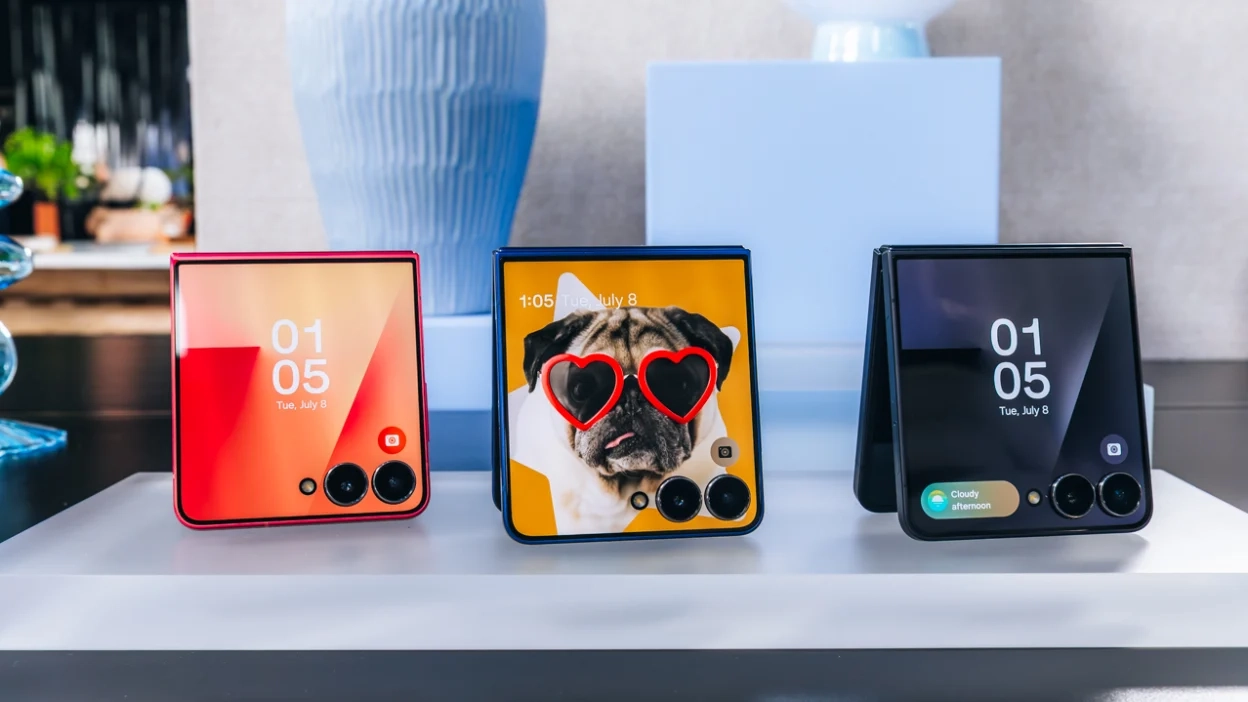
Flip foldables bring back the compact charm of older flip phones but with a modern twist. You get a full-sized smartphone that folds down into a smaller, pocket-friendly shape. These models often appeal to users who want portability without giving up a large screen.
What Foldable Phones Do Better
While they’re still evolving, foldable phones already have clear strengths that set them apart.
More Screen When You Need It
Having a device that can expand gives you more flexibility in daily life. You can browse social media or check messages in normal phone mode, then unfold the device to watch a movie, read documents, or run apps side by side.
Multitasking Made Easier
Most foldable software includes advanced multitasking tools. You can drag and drop apps, split the screen in multiple sections, or float windows like you would on a tablet. This makes foldables especially useful for productivity on the go.
A Fresh and Modern Design
There’s something undeniably striking about a device that transforms in your hand. For people who enjoy having tech that feels new and innovative, foldables offer a design that truly stands out.
Where Foldables Still Need Improvement
Even though foldable phones have improved a lot, they aren’t perfect yet.
Durability Concerns
The screens are more resistant now, but they’re still not as tough as traditional smartphone glass. Extra care is usually recommended, especially with pressure on the fold area.
Battery Life Challenges
Larger and more complex displays consume more energy. While battery life has improved with newer processors, many foldables still struggle to match traditional phones in endurance.
Higher Prices
Foldable phones sit on the premium side of the market. The advanced materials and engineering make them more expensive, though prices have slowly begun to drop as more models enter the market.
Who Foldable Phones Are Great For
Foldable devices aren’t for everyone, but they do shine in certain situations.
For Multitaskers
People who jump between work, messaging, videos, and productivity apps get the most benefit. The extra screen space genuinely improves efficiency.
For Content Consumers
If you watch movies, read digital books, or browse frequently, the larger unfolded display makes the experience more enjoyable.
For Users Looking for Something New
Foldables offer a refreshing change from the standard smartphone look. For anyone who enjoys trying new tech, this category delivers something unique.
What the Future Looks Like for Foldable Phones
The momentum behind foldables is growing, and the next few years will likely bring major improvements. Manufacturers are already working on tougher screen materials, slimmer hinge designs, and more competitive pricing. There’s also interest in rollable displays, which could offer even more flexibility.
As these devices get better and more affordable, they’re expected to become a regular part of the smartphone market rather than a niche product.
Final Thoughts
Foldable phones have moved beyond the early experimental stage. They now offer real advantages, practical daily use, and a style that breaks away from the typical smartphone mold. While they still have areas to improve, their progress has been steady and impressive.
Whether you prefer the compact style of a flip phone or the tablet-like versatility of a book-style foldable, this new kind of device is shaping the future of mobile technology in a way that’s both useful and exciting.