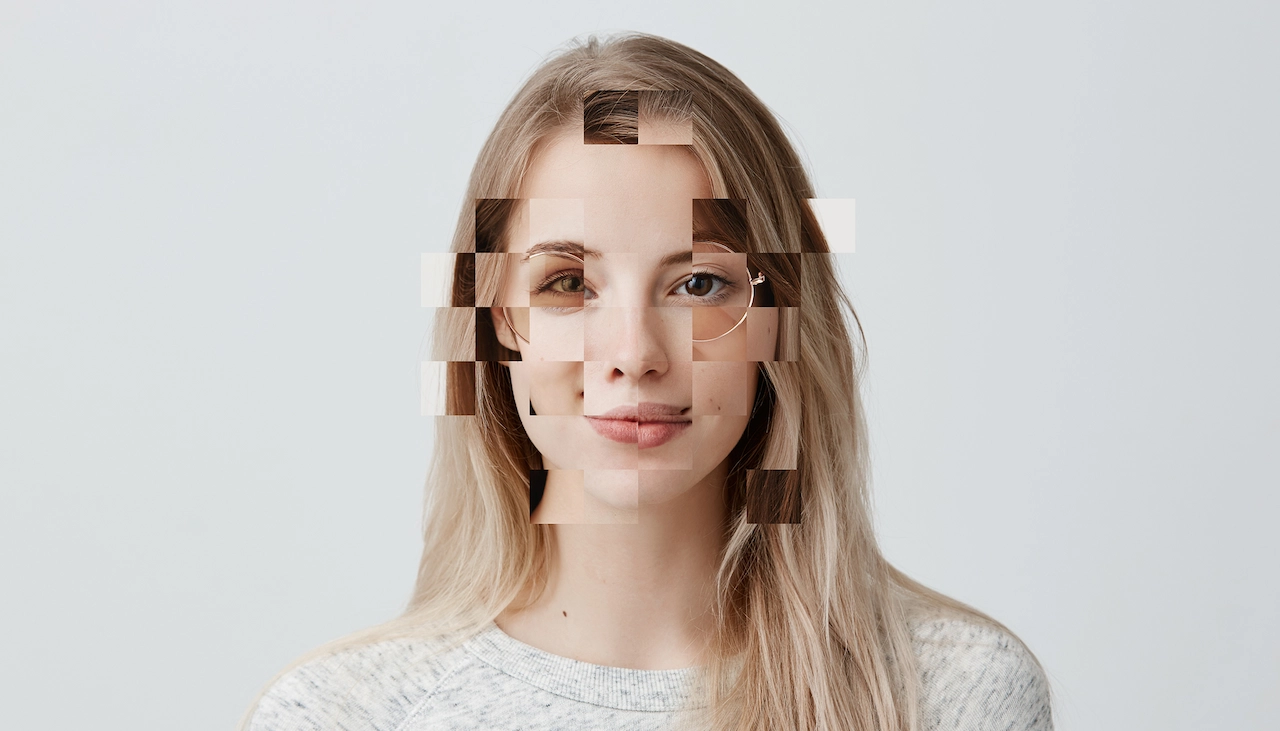
Deepfakes have moved from being a niche tech curiosity to something most people encounter, sometimes without even noticing. And while the word itself sounds a bit dramatic, it represents a mix of innovation, creativity, and serious challenges. Talking about deepfakes today feels almost like discussing the next chapter of the internet, because in many ways, that’s exactly what they are.
What Deepfakes Actually Are
At their core, deepfakes are synthetic media created using artificial intelligence. With the help of deep learning models, machines learn patterns from huge amounts of data and replicate them with uncanny accuracy. That’s why a deepfake video can make someone appear to say or do something they never actually did, often with realism that gets better every month.
The technology behind this isn’t inherently bad. In fact, it’s the same foundation used for harmless or even helpful tools, like AI-generated voices for people who have lost speech, or realistic special effects in films. The problem comes from how easily this power can be misused.
How Deepfakes Became Mainstream
A few years ago, deepfakes were something you’d see only in research labs or tech demos. Now, they’re everywhere, from entertainment apps to social media filters. Part of this shift happened because the tools to create deepfakes are much more accessible. You don’t need a high-end computer or advanced coding knowledge anymore; there are apps that let you generate convincing results in minutes.
This accessibility is a double-edged sword. On one side, it supports creativity: people make parody videos, cultural remixes, and fun edits. On the other, it provides opportunities for impersonation, misinformation, and harmful content that spreads faster than most platforms can moderate.
Why Deepfakes Raise Real Concerns
It’s not just about someone making a joke video with your face swapped onto a movie scene. The bigger concern is how deepfakes can be used to manipulate opinions, create false narratives, or damage reputations.
Personal Privacy Risks
The idea that someone could recreate your face or voice without your permission is unsettling. Even if you’re not famous, your photos or videos online provide enough material for an AI model to work with. When used maliciously, deepfakes can lead to harassment, identity manipulation, or targeted scams.
Misinformation at Scale
Deepfakes have the potential to blur the line between what’s real and what isn’t. In an era where misleading content already spreads quickly, adding AI-generated realism makes things even more complicated. A convincing fake video of a public figure could influence opinions long before fact-checkers or platforms can respond.
Legal and Ethical Challenges
The law is still catching up. Many countries don’t have specific regulations addressing deepfakes, especially when it comes to non-consensual creations or political manipulation. This gap leaves a lot of room for misuse, and it puts pressure on platforms, creators, and governments to establish new standards.
The Other Side: Positive Uses of Deepfake Technology
Despite the risks, it’s worth recognizing that deepfake technology isn’t all negative. Some uses genuinely push innovation forward.
Film and Entertainment
Studios are increasingly using AI-generated faces and voices to create scenes that would be difficult, or impossible to shoot. This includes everything from de-aging actors to reconstructing historical figures more realistically than ever.
Accessibility Tools
AI-generated voices have opened new possibilities for individuals who rely on assistive communication. With a few minutes of audio, an AI can generate a voice that feels natural and expressive, giving people a sense of identity that synthetic voices couldn’t offer before.
Creative Experimentation
Artists, designers, and creators use deepfake techniques to explore storytelling, digital art, and satire. When used ethically, these tools unlock new ways to produce content that was once out of reach for smaller creators.
How to Navigate a World with Deepfakes
Even if you never plan to create deepfakes yourself, understanding how to approach them is becoming part of modern digital literacy. There are a few practical habits that help you stay grounded when consuming online content.
Look for Context First
Before reacting to a surprising or shocking video, check where it comes from. Reliable sources typically provide some background or references. If the clip appears in isolation, it’s worth investigating further.
Pay Attention to Visual Oddities
Deepfakes are improving fast, but small inconsistencies still show up, unnatural blinking, strange lighting, or awkward facial movements. These clues aren’t always obvious, but they can help when something feels “off.”
Understand Platform Labels
Many social networks are adding AI-disclosure labels on modified content. They’re not perfect, but they’re a step toward transparency. Paying attention to these notices helps you interpret content more accurately.
What the Future of Deepfakes Might Look Like
Deepfakes aren’t going away. If anything, they’ll become more realistic and more common as AI continues advancing. The key is finding a balance, embracing the positive applications while building stronger defenses against harmful ones.
We’ll likely see more automated detection tools, clearer labeling systems, and new digital rights that give people control over how their likeness is used. At the same time, creators and platforms will need to adopt ethical standards that prioritize consent and transparency.
Final Thoughts
Deepfakes represent one of the most fascinating crossroads between technology and society. They open doors to creativity and innovation, but they also challenge our sense of trust in the digital world. Understanding how they work, and how they can be used responsible, helps us navigate this new era with clarity. The technology itself isn’t the enemy; the real test is how we choose to use it moving forward.