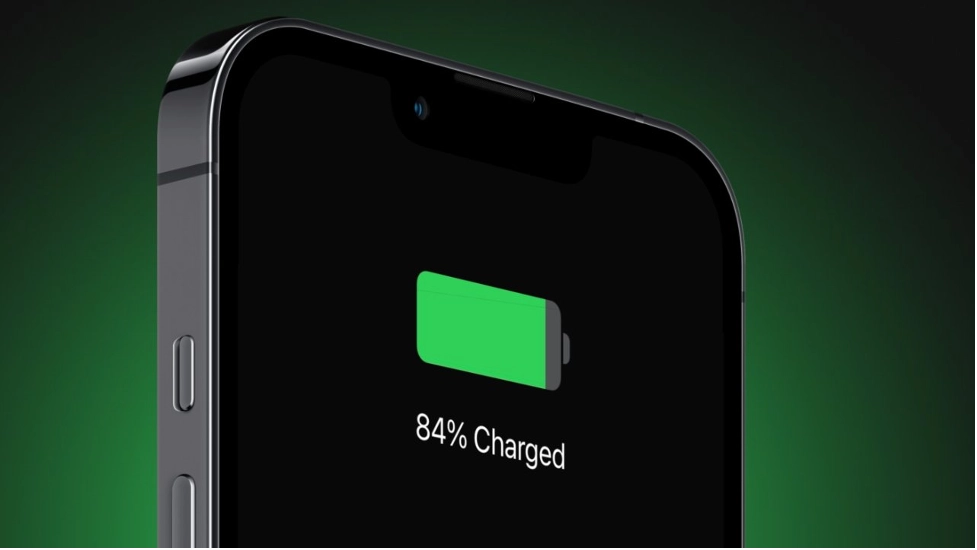
Talking about battery life has almost become a daily routine. Whether it’s your phone, laptop, earbuds, or smartwatch, everyone has an opinion about how to make batteries last. Over the years, a bunch of ideas have spread so widely that many people treat them as facts. The truth is that modern batteries don’t behave the same way older ones did, and understanding how they actually work can save you headaches, and maybe even extend the life of your favorite devices.
Why Battery Myths Spread So Easily
Most myths come from habits formed back when nickel-based batteries were the norm. Today’s lithium-ion and lithium-polymer batteries work differently, yet many old beliefs stayed around. And since batteries are hidden inside sealed devices, it’s not like we can watch what happens inside. That mystery makes it easy for wrong ideas to stick.
Myth 1: You Must Fully Drain Your Battery Before Charging
This one has been around for years. People used to believe that draining the battery to zero helped “reset” it. That was true for certain older battery types that suffered from memory effects. Modern lithium-based batteries don’t work that way at all. In fact, letting your device hit zero too often puts more stress on it. These batteries prefer short, regular charges over deep discharges.
Myth 2: Charging Overnight Damages Your Phone
A lot of people unplug their phone the moment they wake up because they worry that leaving it plugged in for hours harms the battery. The thing is, phones are designed to manage charging intelligently. Once they hit 100%, they stop drawing full power and switch to tiny top-ups. It’s not perfect, but it’s nowhere near the battery killer some make it out to be. The real factor that affects long-term health is heat, not the clock on your nightstand.
Myth 3: Fast Charging Destroys Batteries Quickly
Fast charging does generate more heat than slow charging, and heat is something batteries aren’t fond of. But manufacturers design fast-charging systems to keep temperatures within a safe range. Sure, using fast charging all the time may have a small impact over months or years, but it’s not the instant damage some imagine. For everyday use, it’s totally fine to rely on fast charging when needed.
Myth 4: Closing Apps Saves Battery Life
This is one of those habits many people picked up and never questioned. The idea is that apps running in the background drain power, so closing them constantly should help. The irony is that opening an app from scratch usually uses more energy than keeping it idle in the background. Modern mobile operating systems are designed to pause unused apps automatically. Constantly swiping them away can actually make your phone work harder.
Myth 5: Airplane Mode Always Saves a Ton of Battery
Airplane mode can reduce battery drain, but not in every situation. If you’re somewhere with strong signal, your phone doesn’t work very hard to stay connected. But in low-signal areas, your device repeatedly tries to reach cell towers, which does burn energy. Airplane mode helps most when you’re deep inside buildings or out of coverage, not necessarily during a typical day in the city.
Myth 6: You Should Always Charge to 100% for the Best Results
Hitting 100% feels satisfying, but staying there isn’t ideal for lithium batteries. They’re happiest in the middle ranges, roughly between 20% and 80%. Charging to full is completely normal, of course, but doing it all the time slightly increases the stress on the battery. That’s why many devices now include features that delay charging or limit it automatically when possible.
What Actually Influences Battery Health
Once you dig past the myths, a few factors stand out as the ones that make the biggest difference in real life. Temperature is the first. Batteries get stressed when they’re exposed to high heat, especially while charging. That’s why using your phone under the sun or gaming while plugged in tends to warm it up. Age is another factor, batteries naturally wear out over time no matter what. Even the best habits can’t completely stop that process.
Software also plays a role. Every update brings changes to how your device handles background tasks, power distribution, and performance modes. Sometimes you’ll notice a difference after updating, and that’s normal. Devices constantly adjust how they manage power depending on the situation.
A More Realistic Way to Think About Batteries
Instead of trying to follow strict rules, it helps to think about battery health as something that improves with small, easy habits rather than huge effort. You don’t need to micromanage charging cycles or track every percentage point. Modern batteries are designed to handle daily use without constant worry.
Treat your device in a way that avoids unnecessary extremes, extreme heat, extreme cold, or extreme discharges. If you do that, you’ll already be giving the battery a much better environment than most people realize.
Final Thoughts
Batteries have changed a lot, but the myths surrounding them have stayed surprisingly stubborn. Many of the rules people still repeat come from technologies that aren’t even used anymore. When you look at how lithium batteries truly behave, a more relaxed picture emerges. You don’t need to drain your phone completely, unplug it at a specific time, or keep closing apps all day. Small, simple habits matter more than old beliefs.
Understanding what’s real and what’s outdated helps you enjoy your devices without unnecessary stress. And at the end of the day, that’s what good technology should do, make life easier, not more complicated.