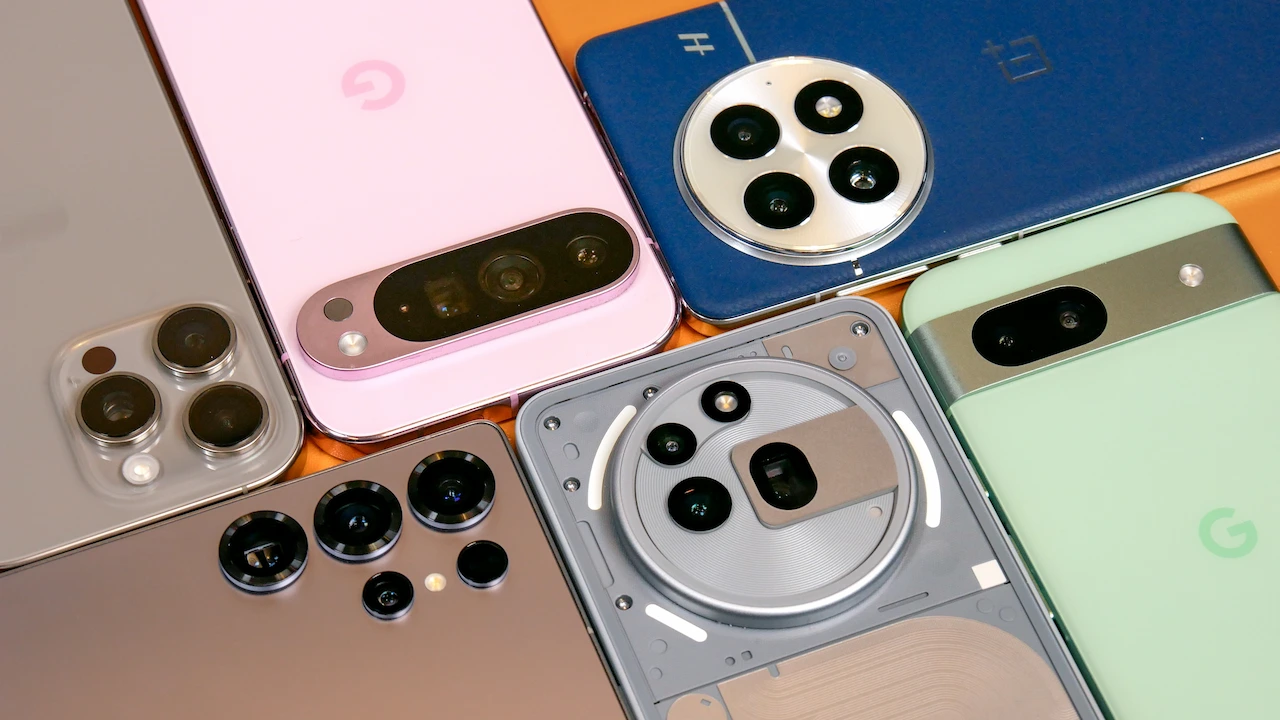
Smartphone cameras have reached a point where they can easily replace a compact camera for most people, and comparing them has become more interesting than ever. Each brand leans into its own strengths, whether that’s low-light magic, ultra-detailed zoom, or colors that look great right out of the box. In this article, the idea is to take a calm, practical walk through the features that matter and how different phones stack up without drowning in technical jargon.
Why Camera Phones Matter More Than Ever
Most of us rely on our phones to capture everyday moments, from quick snapshots at dinner to bigger memories like vacations or celebrations. Good mobile cameras aren’t just a luxury anymore, they’re tools we use constantly. That’s why understanding what sets each phone apart helps you find one that fits your style without getting overwhelmed by specs.
The Big Names in Mobile Photography
Some brands have built a reputation for computational photography, while others focus on powerful hardware. Here’s an easy breakdown of the main players that dominate mobile photography today.
Apple: Balanced and Reliable
Apple’s camera systems aim for consistency. The processing tends to produce natural-looking colors, smooth skin tones, and stable video. This makes iPhones a favorite for people who want their photos to look clean without much editing. Apple also invests heavily in video performance, so if you record a lot of clips or want smooth stabilization, it’s usually a safe pick.
Samsung: Versatile and Bold
Samsung goes for versatility and dramatic results. Their colors tend to be more vibrant, which some people really enjoy since it gives photos a punchy look. Samsung’s high-end models are also known for impressive zoom ranges thanks to periscope lenses. If you like experimenting with multiple focal lengths, Samsung usually gives you more room to play.
Google: Computational Magic
Google’s phones focus heavily on software processing. Their approach produces sharp, detailed images, especially in tricky lighting. Google’s portrait mode also tends to hold up very well thanks to clever depth detection. These phones appeal to people who want strong results with minimal effort, even if the hardware isn’t as flashy as others.
Xiaomi, OnePlus, and Others: Great Value With Big Sensors
Several brands outside the usual trio have been pushing hard with oversized sensors, long exposure tricks, and partnerships with photography companies. Xiaomi, OnePlus, and Vivo in particular offer excellent camera hardware at competitive prices. They often include advanced features like ultra-fast shutters or high-resolution modes that let you crop photos without losing detail.
What Actually Makes a Phone Camera Good?
Choosing a phone based on brand alone doesn’t always give you the full picture. It helps to know what truly affects image quality in everyday use.
Sensor Size and Light Capture
A bigger sensor generally means better light absorption. This leads to cleaner images, especially at night. Even if two sensors share the same megapixel count, the one with more physical space will often perform better in challenging lighting.
Lens Quality and Aperture
The lens affects sharpness, color accuracy, and how much light enters the camera. A wider aperture lets the sensor gather more light, which reduces noise and improves background blur. This plays a noticeable role in portraits and low-light scenes.
Image Processing
Software influences everything, from how the phone handles shadows to how it sharpens details. Each brand has its own personality in this area. Some lean toward warmer tones, others prefer contrast-heavy results, and some go for a more neutral, realistic approach.
Zoom Capabilities
Optical zoom is always better than digital zoom since it relies on physical lenses instead of cropping. Periscope lenses, now found in many mid-range and premium devices, allow phones to reach 5x or even 10x zoom with surprisingly good quality.
Video Performance
For people who record a lot of footage, stabilization, frame options, and color consistency matter. Some phones are designed with content creators in mind, offering multiple microphone modes or cinematic framing tools.
Direct Comparison: How They Differ in Real Use
When you put these phones side by side, the differences become clearer in specific situations.
Low Light
Google and Apple tend to handle nighttime scenes with a soft, natural look. Samsung and Xiaomi usually brighten the image more aggressively, which can be good for social media, but sometimes adds extra glow or oversharpening.
Portraits
Apple still has one of the most balanced portrait modes, especially with skin tones. Google’s edge detection is excellent, while Samsung often adds stronger background blur that looks stylish but slightly exaggerated.
Zoom
Samsung typically leads in high-zoom shots thanks to its periscope lens systems. Other brands have improved a lot, but Samsung still holds a comfortable advantage here.
Everyday Use
For quick, point-and-shoot moments, Google and Apple feel the most consistent. Samsung and Xiaomi give more creative options but may vary depending on lighting and processing choices.
Choosing What Fits You
There isn’t a single “best” camera phone for everyone. It depends on what you prioritize, natural colors, zoom power, strong night mode, or video performance. Some people prefer photos that look great right away, while others enjoy editing afterward. Thinking about how you actually use your camera helps narrow things down quickly.
Final Thoughts
Camera phones have grown into powerful tools, and comparing them shows just how much variety there is. Whether you prefer Apple’s balanced approach, Samsung’s bold style, Google’s computational sharpness, or the innovation coming from brands like Xiaomi and OnePlus, each offers something unique. What matters most is picking the one that matches your habits, not just the one with the longest spec sheet.
This landscape keeps evolving, and that’s part of the fun. The next wave of improvements is always around the corner, but right now, buyers already have an impressive range of options capable of delivering stunning photos with almost no effort.