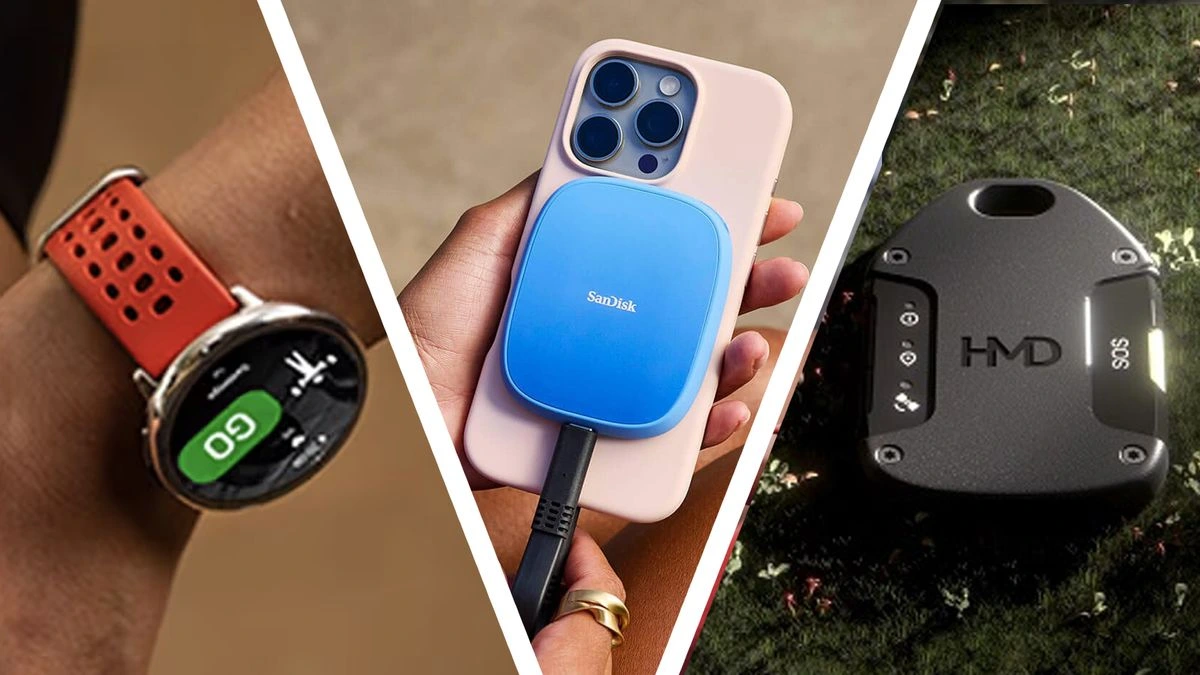
Wearable technology has been around for years, but something interesting has started happening recently. The spotlight is shifting from bulky smartwatches to something smaller, sleeker, and surprisingly powerful: smart rings. They’ve gone from being a niche gadget to becoming one of the most talked-about devices in the tech world, and it’s easy to understand why once you take a closer look.
In this article, I’ll walk you through why smart rings are becoming a big deal, what makes them different, and where this technology seems to be heading. Think of it as sharing thoughts with a friend who’s just as curious about tech as you are.
What Makes Smart Rings So Appealing?
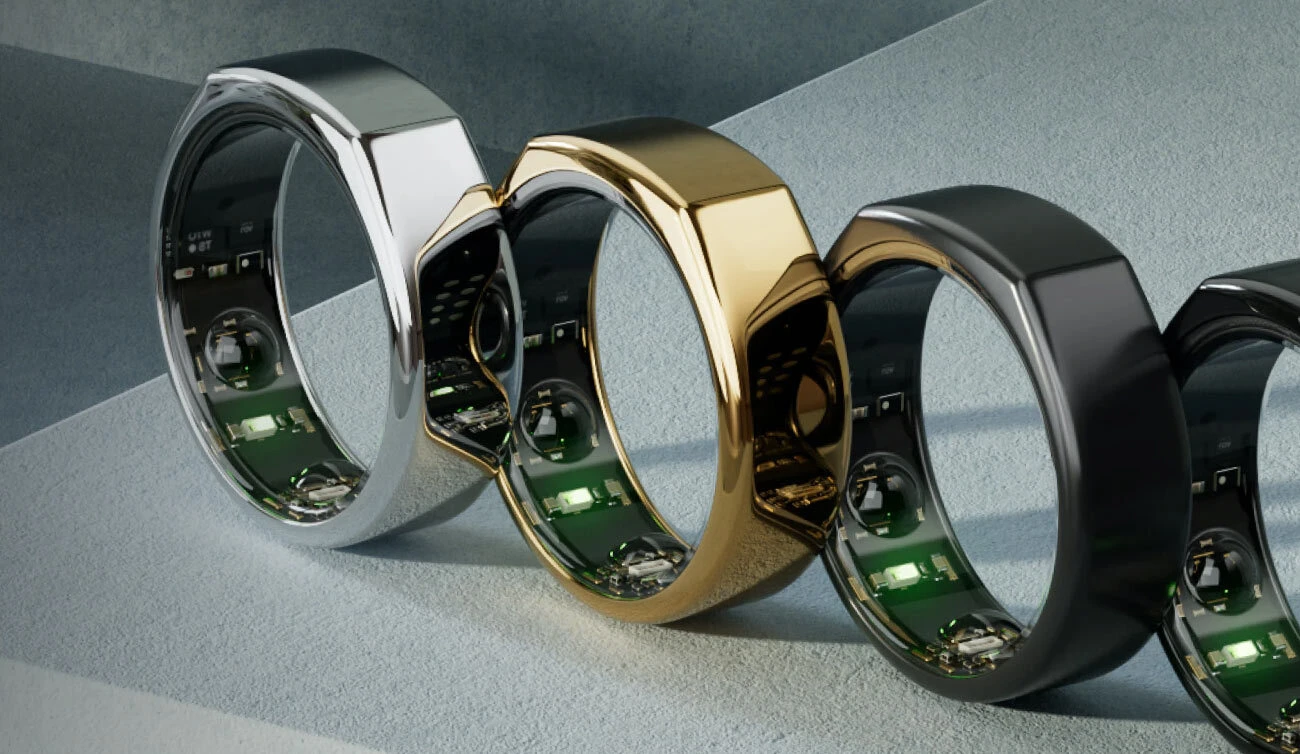
Smart rings stand out mainly because of their size. They’re tiny, light, and easy to wear all day without feeling like you’re carrying tech around. If you’ve ever worn a smartwatch for long enough, you’ve probably noticed how it can feel heavy or distracting. A ring, on the other hand, blends naturally into your daily routine.
Discreet but Capable
Despite their size, smart rings can monitor key health metrics: heart rate, sleep patterns, stress levels, skin temperature, and even blood oxygen in some models. They don’t try to replace a smartphone or smartwatch; instead, they focus on doing a few things extremely well.
All-Day Comfort
Comfort is a big part of why these devices are gaining ground. You can wear them while sleeping, working, or exercising without giving them a second thought. Since many people remove their smartwatch at night, smart rings often deliver more accurate long-term sleep data.
How Smart Rings Compare to Smartwatches
Smartwatches still dominate the wearable space, but smart rings are carving out their own territory. They’re not meant to compete on every feature. Instead, they offer a different approach.
Battery Life
One of the first differences people notice is battery life. Smart rings can last several days on a single charge, sometimes even a full week. No bright screens and fewer features mean they use energy far more efficiently.
Better for Sleep Tracking
When it comes to sleep analysis, smart rings tend to outperform smartwatches simply because they’re more comfortable at night. A tiny ring doesn’t disrupt your sleep like a heavy device on your wrist might.
Minimalism Wins
Smartwatches bring notifications, apps, and plenty of extra features. Smart rings avoid all that and focus on wellness. If someone prefers minimalism and doesn’t want constant alerts, a ring feels like a breath of fresh air.
Key Features You’ll Find in Today’s Smart Rings
While every brand has its own approach, most popular smart rings share a set of core features.
Health and Fitness Monitoring
This includes heart rate tracking, steps, sleep stages, stress indicators, and more. Some rings even use skin temperature to help estimate recovery or readiness levels.
Durability
Many smart rings use titanium or similarly tough materials. This makes them resistant to scratches and everyday wear, something a lot of smartwatches struggle with.
Water Resistance
Since they’re worn like regular rings, manufacturers know users expect to wash their hands or shower with them on. Water resistance is almost always included.
Popular Uses That Are Driving Their Growth
Smart rings aren’t just gadgets for fitness enthusiasts. They’ve become practical tools for people looking to understand their health without adding another screen to their lives.
Sleep Optimization
Sleep is one of the biggest selling points. People are more interested than ever in understanding their sleep quality, and smart rings offer accurate data that works quietly in the background.
Wellness and Stress Tracking
Daily stress monitoring, heart variability analysis, and temperature changes give users insight into how their body responds to daily routines, work, travel, or workouts.
A Discreet Style Choice
Some people simply prefer wearing a ring over a watch. A ring blends more naturally with personal style and doesn’t scream “tech device.”
Are Smart Rings the Future of Wearables?
It definitely feels like they’re becoming a bigger part of the wearable landscape. Several major tech companies are investing heavily in the space, and the competition is heating up fast. As sensors get smaller and more efficient, rings have room to evolve even further.
More Advanced Sensors
Future smart rings may bring glucose prediction, blood pressure estimation, or new wellness measurements once reserved for medical devices.
Improved App Ecosystems
Most current smart rings rely on companion apps focused on wellness. As the market grows, those apps will likely become more robust, giving users more control and insights.
Everyday Integration
There’s also a push to integrate smart rings into everyday actions, like unlocking devices, controlling smart homes, or even serving as secure authentication tools. With how natural it feels to wear a ring, these features could become extremely common.
Final Thoughts
Smart rings represent a shift in how we think about wearable technology. Instead of being loud and attention-grabbing, they’re quiet, subtle, and focused on the essentials. They’re perfect for people who want health insights without constantly checking another screen.
Whether you’re deep into wellness tracking or simply curious about new tech trends, smart rings are becoming one of the most interesting devices to watch. They might be small, but the impact they’re making on the future of wearables is definitely not.