Cloud gaming has grown from a niche experiment into a real alternative for players who want powerful performance without expensive hardware. It’s become easier than ever to stream demanding games on a laptop, phone, or even a smart TV. With so many services competing for attention, choosing the right one can feel a bit overwhelming. Looking at what each platform actually offers makes the whole picture clearer, especially if you’re trying to decide where to invest your time and money.
Why Cloud Gaming Is Becoming So Popular
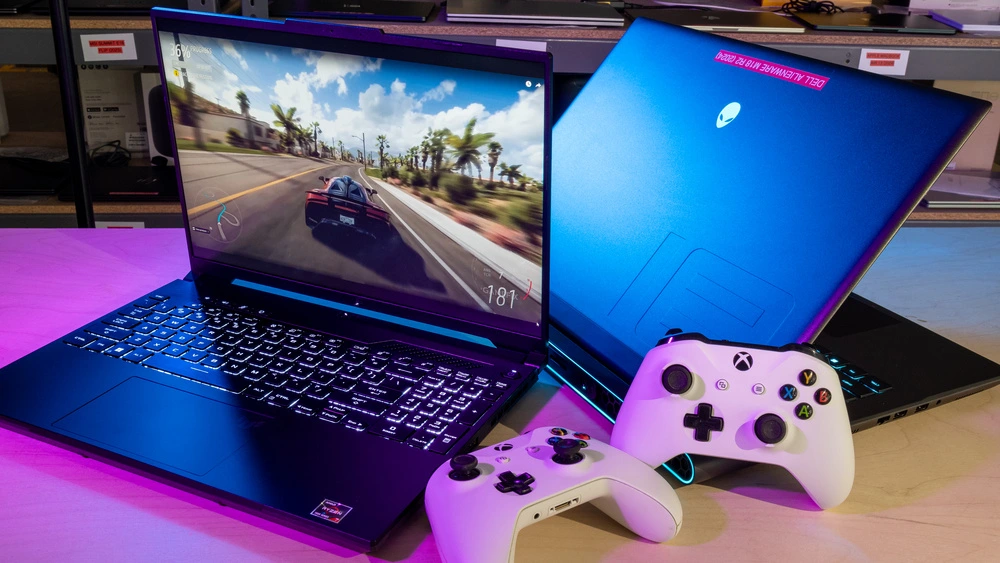
The biggest reason cloud gaming is taking off is convenience. You don’t need a high-end PC or the latest console to enjoy modern titles. As long as the connection is stable, you can pick up and play almost anywhere. This flexibility is a major shift in how gaming works and is one of the reasons these platforms are constantly improving. Instead of upgrading your hardware every few years, the heavy lifting happens in remote servers.
GeForce Now
NVIDIA’s GeForce Now has earned its reputation for delivering strong performance. One of the things that sets it apart is that it lets you use the games you already own from stores like Steam, Epic Games, and Ubisoft Connect. That makes the experience feel more natural if you’ve built a library over time. The best part is the visual quality, its higher tiers offer ray tracing and fast frame rates that rival many gaming PCs.
GeForce Now works on a wide range of devices: PCs, Macs, smartphones, and even some smart TVs. The free tier is a good starting point, but the paid plans give you longer play sessions and better hardware on the server side.
Xbox Cloud Gaming
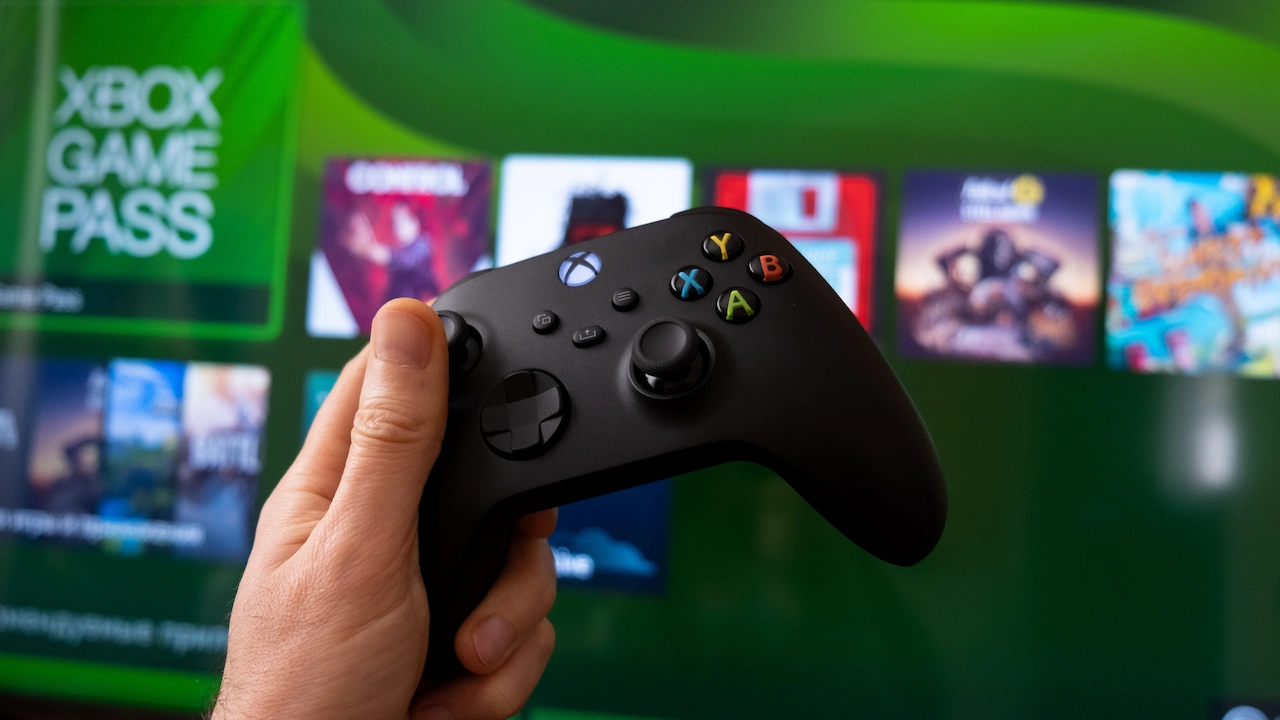
Microsoft’s platform has grown quickly, especially because it’s tied to Game Pass Ultimate. That subscription gives you access to a rotating collection of titles without needing to purchase each one individually. The catalog includes big releases, indies, and a steady stream of day-one launches, which makes it easy to discover new favorites.
One advantage is the ecosystem. If you already use Xbox consoles or Windows PCs, everything integrates smoothly. You can start a game on your console, continue on your phone, and pick it up later on your laptop. It also supports controllers across different devices, so the experience feels familiar.
PlayStation Cloud Streaming
PlayStation’s cloud service has been changing recently, but it continues to be an option for fans of Sony’s exclusive games. Being able to play classic titles alongside newer releases is a big plus. The service works on PS5 and PC, and Sony has been expanding the titles that support cloud streaming within its membership plans.
While PlayStation’s library tends to focus on story-driven experiences, the streaming quality has been improving. For players who grew up with PlayStation consoles, having access to older titles without hunting down old hardware is a major benefit.
Amazon Luna
Amazon Luna approaches cloud gaming a bit differently. Instead of one subscription for everything, it offers channel-based options, letting you subscribe only to what you’re interested in. This can be appealing if you prefer curated collections rather than a massive library.
Luna’s performance is steady, and the service works across PC, Mac, smart TVs, and mobile devices. The integration with Amazon’s ecosystem, including Twitch, is a nice touch for anyone who enjoys streaming or watching gameplay content.
Shadow
Shadow is unique because it offers a full cloud PC, not just a gaming platform. Instead of streaming only specific games, you’re essentially renting a Windows machine that runs on powerful hardware. That makes it more flexible than traditional cloud gaming services, you can install your own software, mod games, and customize the system as you like.
This approach appeals to players who want a full PC experience but don’t want to invest in a high-end setup. The downside is that it’s generally more expensive than typical cloud gaming subscriptions, but the level of control is hard to match.
What Matters Most When Choosing a Platform
Picking the right cloud gaming service depends on what you’re looking for. If performance is your priority, GeForce Now often comes out ahead. If you want a broad library you can access with one subscription, Xbox Cloud Gaming has a strong advantage. For classic and exclusive titles, PlayStation’s service makes sense. Amazon Luna is more flexible for casual players, while Shadow is ideal for those who want a complete PC in the cloud.
Another thing to consider is where you’ll be playing. Some services handle mobile devices better, while others shine on desktop or smart TVs. Controllers, latency, and even the types of games you enjoy can affect which platform feels right.
A Look at the Future of Cloud Gaming
Cloud gaming still has room to grow, and it’s evolving quickly. Improvements in server hardware, internet speeds, and streaming technology are making the experience smoother each year. More developers are designing games with cloud play in mind, which could make these platforms even more capable.
Whether you’re someone who likes to try new tech or simply wants an easier way to play your favorite games, cloud gaming opens the door to a different kind of freedom. And as these platforms continue competing, players benefit the most.